Synthetic Weaves
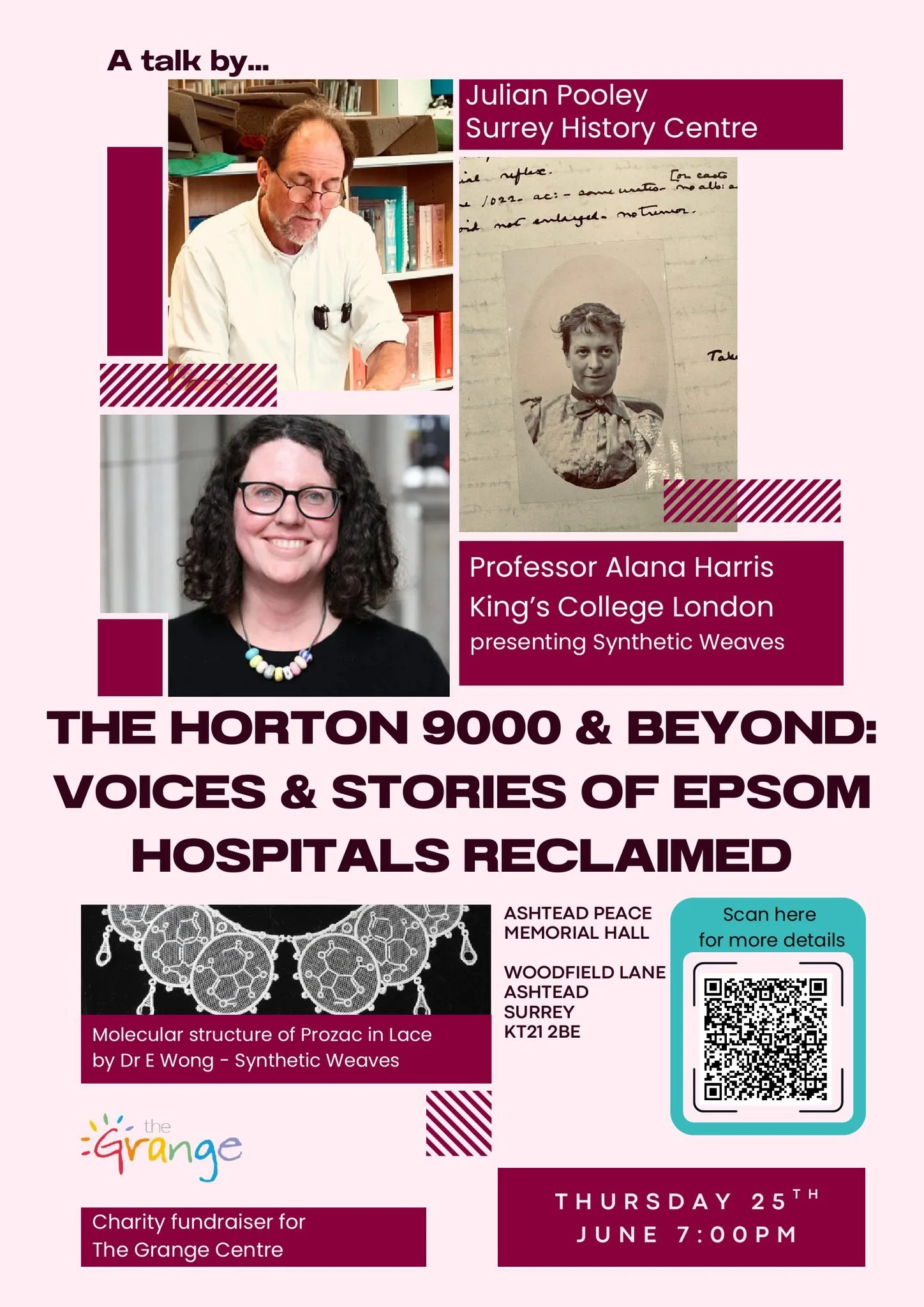
Synthetic Weaves will be a contemporary reinterpretation of traditional lace work, inspired by the changes in psychiatric and disability treatment over time. Through a collaboration with Dr Eric Fong and residents at The Grange, creative workshops will consider the history of needlework and embroidery of lace collars, shirts, blouses, skirts, dresses, shawls, cuffs, doilies, handkerchiefs, gloves, scarfs, and veils and interpret this heritage through new artwork.
In Victorian asylums, female pauper patients were encouraged to engage in needlework as a form of ‘moral therapy’. While such activity might be therapeutic and pleasurable for the patients, it might also be a form of enforced labour, control and moral management. With the closure of the asylums and the advent of psychopharmacology, drug therapy has become a significant form of treatment in contemporary psychiatry and disability management.
In Synthetic Weaves, patterns formed by floral and botanical motifs in traditional lace work will be replaced by molecular structures of medications used to treat disability and in modern psychiatry, such as antidepressants, anxiolytics, anti-seizure medications, and antipsychotics. In addition, instead of using natural fibres, the works will consist of synthetic threads and fabrics made entirely from recycled plastic bottles.
Synthetic Weaves will therefore allude to the changes in psychiatric treatment and disability over time, as well as the decline of the natural and botanical and the rise of the synthetic. By using a traditionally feminine, domestic and subservient medium that is lace work, it will also aim to raise questions about issues of agency, control, resistance, and the unequal power relationships between the patients and the institutions, past and present.